
Women, Hormones, and Health: Building Awareness in Modern Life
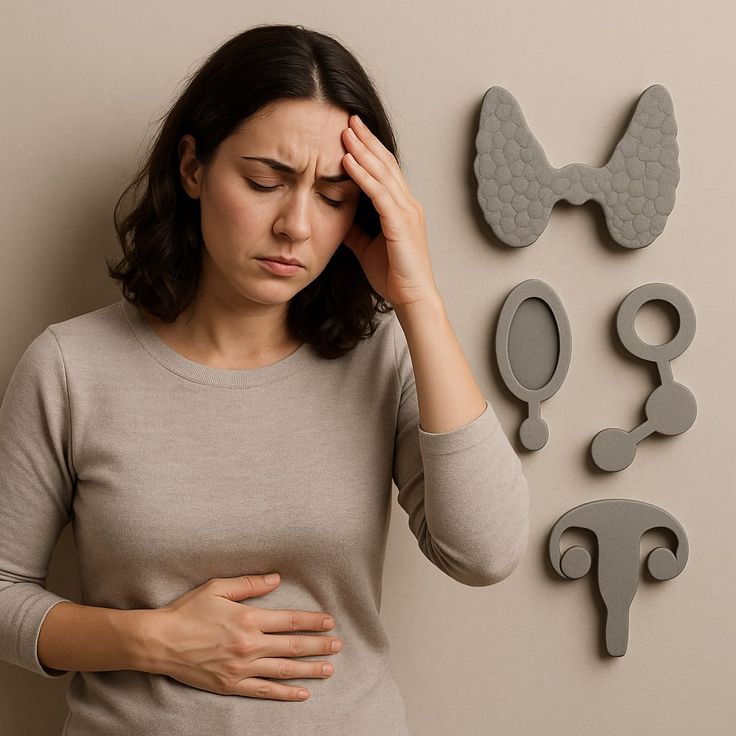
For many women, hormones feel like something mysterious—something doctors talk about, but rarely explain in everyday language. Yet hormones quietly shape how women feel, think, and live every day. They influence mood, energy, sleep, appetite, fertility, and even how the body responds to stress.
Understanding hormones is not just a medical topic. It is a form of self-awareness and self-care.
What Hormones Really Do in a Woman’s Body
Hormones are chemical messengers that travel through the bloodstream and tell the body what to do. In women, key hormones like estrogen, progesterone, testosterone, thyroid hormones, and cortisol play major roles in daily life.
These hormones don’t only control the menstrual cycle. They also affect emotions, skin, hair, metabolism, bone health, and brain function. When hormones are balanced, many women feel stable and energetic. When they are not, the body often sends signals—fatigue, mood swings, irregular periods, or changes in weight.
Learning to recognize these signals is the first step toward better health.
Hormonal Changes Across Life Stages
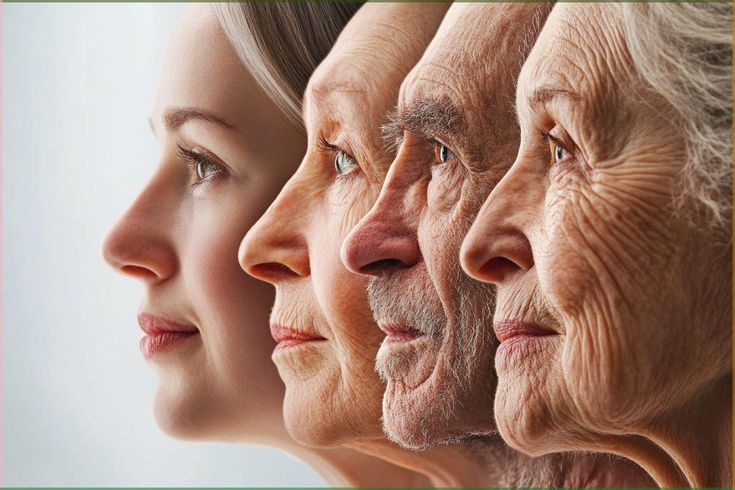
A woman’s hormones are always changing. When puberty hits, hormones kick off periods and all the changes that come with them. In adulthood, they keep things running smoothly—fertility, energy, the works. Pregnancy throws everything into overdrive to help the baby grow. Then, as perimenopause and menopause roll around, hormone levels shift again, and that brings its own set of challenges, both physical and emotional.
All these changes are just part of life, but honestly, they can feel like a lot—especially if you don’t have good information or support. Knowing what’s going on makes a big difference. These shifts aren’t signs of weakness—they’re just how the body works, part of a natural rhythm every woman goes through.
Why Hormonal Awareness Matters Today
Modern life throws a lot at our hormones. Stress piles up, sleep gets cut short, we grab whatever food’s easy, sit more than we should, and spend hours glued to our screens. All of that messes with how our bodies are supposed to work.
A lot of women end up dealing with things like PCOS, thyroid issues, endometriosis, or breakouts that just won’t quit. Sometimes it’s not that obvious—it’s just dragging yourself through the day, feeling anxious for no reason, or having a hard time focusing. People brush these off as normal, but honestly, they’re signs your hormones might be out of whack.
When you understand what your hormones are doing, you stop accepting those symptoms as “just how it is.” You start asking the right questions, talking to your doctor, and making choices that actually help you feel better.
Everyday Habits That Support Hormonal Health
You don’t need to overhaul your entire life to keep your hormones in check. Simple, steady habits actually do the trick. Eating real food, getting enough healthy fats and protein—these basics really support your hormones. Moving your body regularly helps balance insulin and keeps stress hormones in line.
And sleep? It’s huge. Good sleep gives your body a chance to recover and reset those signals. Managing stress matters too, whether it’s mindfulness, picking up a hobby, or just spending time with people you like. That all helps bring cortisol down. And honestly, just paying attention to how you feel—your cycle, your energy, your mood—can teach you a lot about what your body needs next.
Breaking the Silence Around Women’s Hormones
For a long time, people treated women’s hormones and reproductive health like secrets. No one talked about periods, mental health, fertility, or menopause unless they had to. Now, that’s changing. More women are opening up, sharing their stories, and pushing these topics into the spotlight. That matters—a lot.
Knowing how hormones work isn’t just a personal thing. It shapes how we talk about health, how we teach it, and how society treats women. When women really get what’s going on in their bodies, they’re in a better spot to demand better healthcare, fair treatment at work, and more research that actually helps them.

A More Empowered Future for Women’s Health
Hormones aren’t something to be scared of or just ignore. They shape how women’s bodies work every day—always changing, always adapting. When women start to pay attention, things get clearer. Confusion drops away, and real confidence shows up.
Learning about hormones, actually listening to your body, and finding good healthcare—these steps matter. They hand the control back, letting women steer their own well-being. This isn’t about getting everything right or hitting some perfect mark. It’s about knowing your body, connecting with it, and treating yourself kindly.
In Conclusion
In the end, life moves fast. But understanding hormones gives women a reason to pause, check in, and take care of themselves on purpose. That kind of awareness? It’s much more than just learning facts—it’s real empowerment.