
Healthy Lifestyle Tips to Lower Heart Disease Risk

Heart disease often feels like a distant problem—something that happens to older people, or to someone else’s family. But the truth is more personal. The heart is shaped, day by day, by the choices we make when no one is watching: what we eat for breakfast, how often we move, how late we stay up, and how we deal with stress after a long day.
Preventing heart disease isn’t about chasing perfection. It’s about building habits that quietly support your heart over time.
Eating for Your Heart, One Small Choice at a Time
Food is one of the most powerful tools for heart health, yet it’s also one of the most emotional. Rather than thinking in terms of strict diets, it helps to think in terms of balance. Adding more fruits, vegetables, whole grains, and healthy fats can gradually lower cholesterol and support healthy blood vessels.
Small adjustments matter. Choosing grilled instead of fried, adding a piece of fruit to your meal, or replacing sugary drinks with water may seem minor, but these daily decisions accumulate into long-term benefits. It’s not about giving up everything you love—it’s about finding smarter ways to enjoy food.
Movement That Fits Your Life
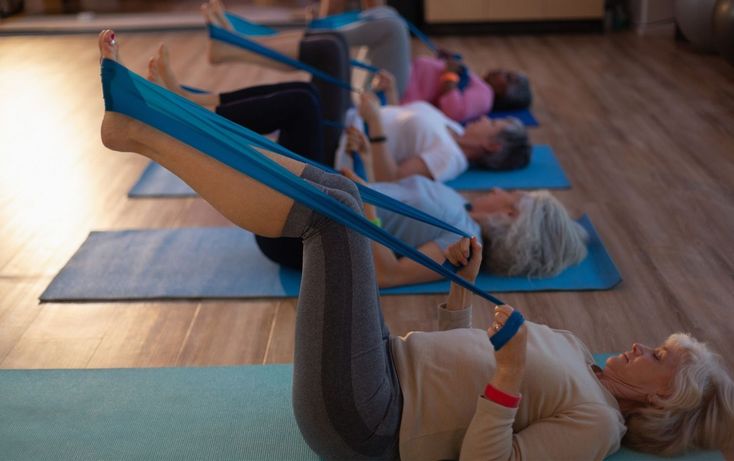
You don’t have to be an athlete to keep your heart healthy. Just moving around on a regular basis does wonders—your heart gets stronger, blood flows better, and it’s easier to keep your weight and blood pressure in check. Really, what matters is sticking with it, not going all out every time.
It doesn’t have to be complicated. Maybe you take a brisk walk, hop on your bike to get to work, stretch a bit when you wake up, or even just dance around your living room. If you actually enjoy what you’re doing, you’re way more likely to keep at it. The trick is to let movement blend into your daily life, not turn it into another chore you dread.
Sleep: The Quiet Protector of Your Heart
Most people brush off sleep like it’s no big deal, but it’s actually key to keeping your heart healthy. Skimp on sleep, and your blood pressure goes up, your metabolism gets thrown off, and inflammation creeps in. All of that wears your heart out over time.
A basic bedtime routine helps a lot. Try lowering the lights, putting your phone away, and sticking to the same bedtime every night. Don’t treat sleep like it’s just a break—your body needs it to keep running smoothly.
Learning to Manage Stress, Not Eliminate It
Stress shows up whether we like it or not, but what we do with it makes all the difference. If you let stress pile up, it messes with your heart—raising your blood pressure, speeding up your pulse, and sometimes pushing you toward bad habits without you even noticing. Those tense moments don’t just disappear; they stick around and take a toll.
So, what helps? Slow down for a minute. Take a few deep breaths. Write down what’s bothering you. Call someone who gets it, or just do something you actually enjoy. These little things really do help your mind and body hit the reset button. Managing stress isn’t about dodging every curveball life throws at you—it’s about getting stronger so you can handle them when they come.
Smoking, Alcohol, and Heart Risk
Smoking is still one of the top things that puts your heart at risk. The good news? No matter when you quit, your heart starts to get better. Cutting down on secondhand smoke matters, too. It really does help. As for alcohol, go easy. Sure, it’s part of hanging out for a lot of people, but drinking too much wears down your heart and blood vessels.

Know Your Numbers
High blood pressure, cholesterol, and blood sugar often develop silently. Regular check-ups provide insight into your heart’s condition and allow early action. Understanding these numbers empowers you to make informed lifestyle choices before serious problems arise.
A Lifetime of Small Decisions
Heart health is not built through one big change, but through thousands of small, repeated decisions. A healthier meal, a short walk, a good night’s sleep, a moment of calm—each one is a quiet investment in your future.
In Conclusion
Your heart works continuously, without pause. Taking care of it through daily habits is one of the simplest and most meaningful acts of self-care you can practice. In the end, prevention is not about fear—it’s about choosing a life that supports your heart, one day at a time.